


La cultura a Napoli tra Ottocento e Dopoguerra - Sistema Archivistico Campano
Culture in Naples between the 19th century and the post-war period
Start the itinerary

Culture in Naples between the 19th century and the post-war period
Between the second half of the nineteenth century and the early twentieth century, Naples, despite no longer being the capital of the southern kingdom, remained a culturally vibrant and dynamic city, which was able to overcome difficulties and dark moments in history..
1
Cholera and Sanitation
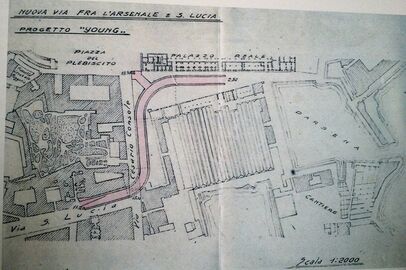
In Naples, the 19th century drew to a close with the spread of yet another cholera epidemic. As is often the case in such situations, the disease was brought by sea by French soldiers returning from the Tonkin War against the Chinese empire. Cases exploded in September 1884, ultimately causing approximately 8,000 deaths, mainly concentrated in the most populous areas of the city, which, it must be said, did not excel in terms of hygiene.
2
The culture of journalism: Il Mattino by Matilde Serao and Edoardo Scarfoglio
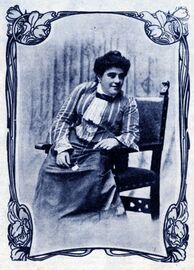
Between the late nineteenth and early twentieth centuries, Naples was a city in turmoil, not only in terms of construction but also culturally. One cannot fail to mention the birth of Il Mattino, a daily newspaper founded in March 1892 by Edoardo Scarfoglio and his wife Matilde Serao.
3
The “dramatic” culture: Scarpetta's theater
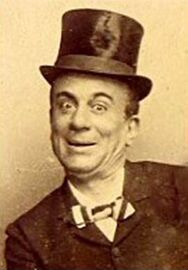
Naples at the end of the 19th century and beginning of the 20th century was a city that laughed thanks to the brilliant comedy of Eduardo Scarpetta and his character, Felice Sciosciammocca, with whom he aimed to entertain the Neapolitan petty bourgeoisie. Great success came with “Miseria e nobiltà” (Misery and Nobility), a comedy that became legendary thanks to Mario Mattoli's 1954 film version, with Totò in the role of the scribe Sciosciammocca.
4
The early 20th century
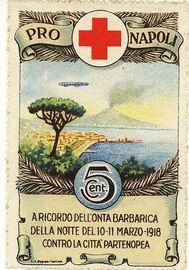
Early 20th-century Naples was therefore a city in full development, both culturally and urbanistically. The port had taken on a particularly important role in connecting with the African colonies and the American continent, towards which millions of Italians from the southern regions directed their hopes for a better life.
5
The advent of Fascism
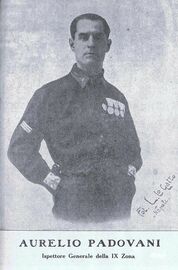
Once the war was over, Neapolitan society was also caught up in the turmoil that affected a large part of the Italian population, frustrated by a “mutilated victory” and agitated by increasing conflict between different groups and classes, which ultimately led to the rise and dominance of the Fascist Party. Aurelio Padovani was undoubtedly a notable figure during this period.
6
The events of the war and Liberation
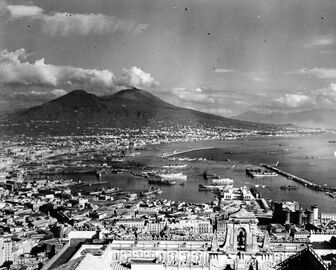
With the entry of Fascist Italy into the war, Naples experienced one of the darkest periods in its history. The city was repeatedly hit by countless air raids starting in 1940. The raids intensified throughout the conflict, reaching their peak in 1943, when large sections of the city had already been destroyed. The attacks were carried out by both the Anglo-Americans and, after the armistice, the Germans.
7
More on “dramatic” culture: the San Carlo Theater in the post-war period
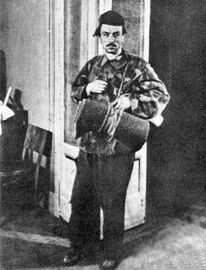
Some improvements were made when Charles Poletti, who had briefly served as governor of New York State, took over the administration. On May 16, 1944, the San Carlo Theater reopened with a performance of Aida. In the climate of reconstruction, there was no lack of desire to participate in cultural events, nor was there any shortage of Neapolitan artists involved in the theater. In this regard, we cannot fail to mention the genius of Eduardo De Filippo, who made his debut at the San Carlo on March 25, 1945, with the dramatic comedy Napoli milionaria!
8
Musical culture: the Alessandro Scarlatti Association
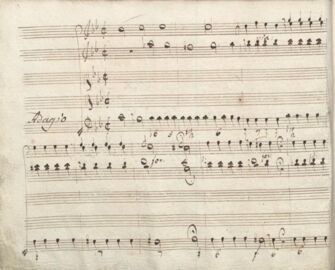
Cultural activities are carried out by countless organizations. Among these we can mention the Alessandro Scarlatti Association, named after the great composer, one of the leading exponents of the Neapolitan Baroque music school, who died in the city in 1725. The association has always been very active in reviving the musical scene in Naples. Among the digitization objectives of the Biblio_ARCCA project is material related to concert activities.
Culture in Naples between the 19th century and the post-war period
Start the itinerary
Culture in Naples between the 19th century and the post-war period
Between the second half of the nineteenth century and the early twentieth century, Naples, despite no longer being the capital of the southern kingdom, remained a culturally vibrant and dynamic city, which was able to overcome difficulties and dark moments in history..
1
Cholera and Sanitation
In Naples, the 19th century drew to a close with the spread of yet another cholera epidemic. As is often the case in such situations, the disease was brought by sea by French soldiers returning from the Tonkin War against the Chinese empire. Cases exploded in September 1884, ultimately causing approximately 8,000 deaths, mainly concentrated in the most populous areas of the city, which, it must be said, did not excel in terms of hygiene.
2
The culture of journalism: Il Mattino by Matilde Serao and Edoardo Scarfoglio
Between the late nineteenth and early twentieth centuries, Naples was a city in turmoil, not only in terms of construction but also culturally. One cannot fail to mention the birth of Il Mattino, a daily newspaper founded in March 1892 by Edoardo Scarfoglio and his wife Matilde Serao.
3
The “dramatic” culture: Scarpetta's theater
Naples at the end of the 19th century and beginning of the 20th century was a city that laughed thanks to the brilliant comedy of Eduardo Scarpetta and his character, Felice Sciosciammocca, with whom he aimed to entertain the Neapolitan petty bourgeoisie. Great success came with “Miseria e nobiltà” (Misery and Nobility), a comedy that became legendary thanks to Mario Mattoli's 1954 film version, with Totò in the role of the scribe Sciosciammocca.
4
The early 20th century
Early 20th-century Naples was therefore a city in full development, both culturally and urbanistically. The port had taken on a particularly important role in connecting with the African colonies and the American continent, towards which millions of Italians from the southern regions directed their hopes for a better life.
5
The advent of Fascism
Once the war was over, Neapolitan society was also caught up in the turmoil that affected a large part of the Italian population, frustrated by a “mutilated victory” and agitated by increasing conflict between different groups and classes, which ultimately led to the rise and dominance of the Fascist Party. Aurelio Padovani was undoubtedly a notable figure during this period.
6
The events of the war and Liberation
With the entry of Fascist Italy into the war, Naples experienced one of the darkest periods in its history. The city was repeatedly hit by countless air raids starting in 1940. The raids intensified throughout the conflict, reaching their peak in 1943, when large sections of the city had already been destroyed. The attacks were carried out by both the Anglo-Americans and, after the armistice, the Germans.
7
More on “dramatic” culture: the San Carlo Theater in the post-war period
Some improvements were made when Charles Poletti, who had briefly served as governor of New York State, took over the administration. On May 16, 1944, the San Carlo Theater reopened with a performance of Aida. In the climate of reconstruction, there was no lack of desire to participate in cultural events, nor was there any shortage of Neapolitan artists involved in the theater. In this regard, we cannot fail to mention the genius of Eduardo De Filippo, who made his debut at the San Carlo on March 25, 1945, with the dramatic comedy Napoli milionaria!
8
Musical culture: the Alessandro Scarlatti Association
Cultural activities are carried out by countless organizations. Among these we can mention the Alessandro Scarlatti Association, named after the great composer, one of the leading exponents of the Neapolitan Baroque music school, who died in the city in 1725. The association has always been very active in reviving the musical scene in Naples. Among the digitization objectives of the Biblio_ARCCA project is material related to concert activities.


